Психология азартных игр как Pinco влияет на нашу привычку к риску
Основы психологии азартных игр
Психология азартных игр изучает, почему люди принимают рискованные решения, особенно в контексте азартных игр. Этот феномен часто связан с эмоциями и внутренними убеждениями. Азартные игры активируют центры удовольствия в мозге, заставляя игроков испытывать эйфорию при выигрышах и негативные эмоции при проигрышах. Это создает цикличный процесс, в котором игроки вновь и вновь возвращаются к играм в надежде на удачу. В Казахстане, где популярны различные формы азартных игр, можно встретить предложения, такие как Пинко казино официальный сайт, которые привлекают внимание многих людей.

Кроме того, культурные и социальные факторы также играют важную роль. В некоторых обществах азартные игры считаются нормой, что может усиливать привычку к риску. Например, в Казахстане, где популярны различные формы азартных игр, многие молодые люди начинают играть, поддаваясь влиянию окружения.
Влияние игровых автоматов на восприятие риска
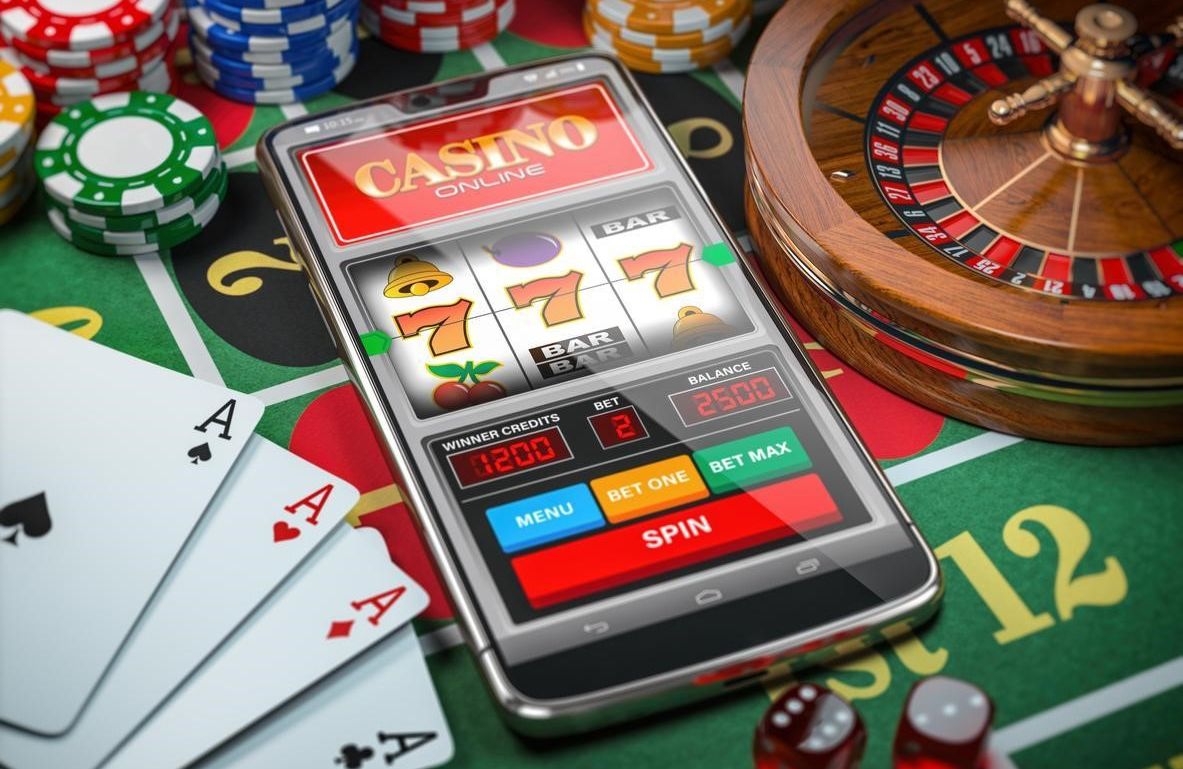
Игровые автоматы, такие как те, что предлагает Пинко казино, имеют особую привлекательность благодаря простоте игры и мгновенности результатов. Они создают ощущение контроля над процессом, хотя на самом деле всё зависит от случайности. Этот парадокс формирует у игроков ошибочное представление о своих шансах на выигрыш, что, в свою очередь, усиливает желание рисковать.
Кроме того, визуальные и аудиовизуальные эффекты игровых автоматов способствуют усилению эмоций. Звуки выигрыша и яркие экраны вызывают положительные ассоциации, что подталкивает игроков к повторным ставкам и увеличению размера риска. Таким образом, эмоции и восприятие выигрыша становятся важными факторами, влияющими на привычки к риску.
Роль азартных игр в социальном взаимодействии
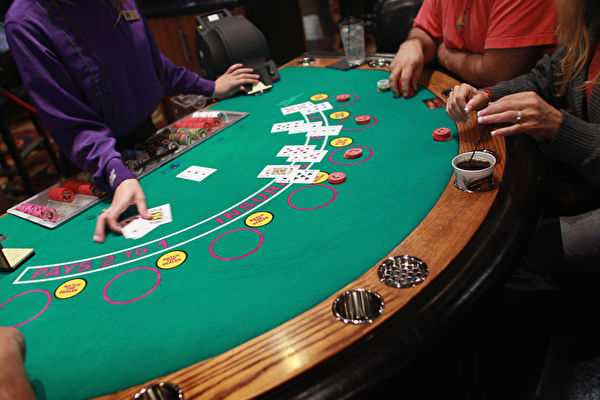
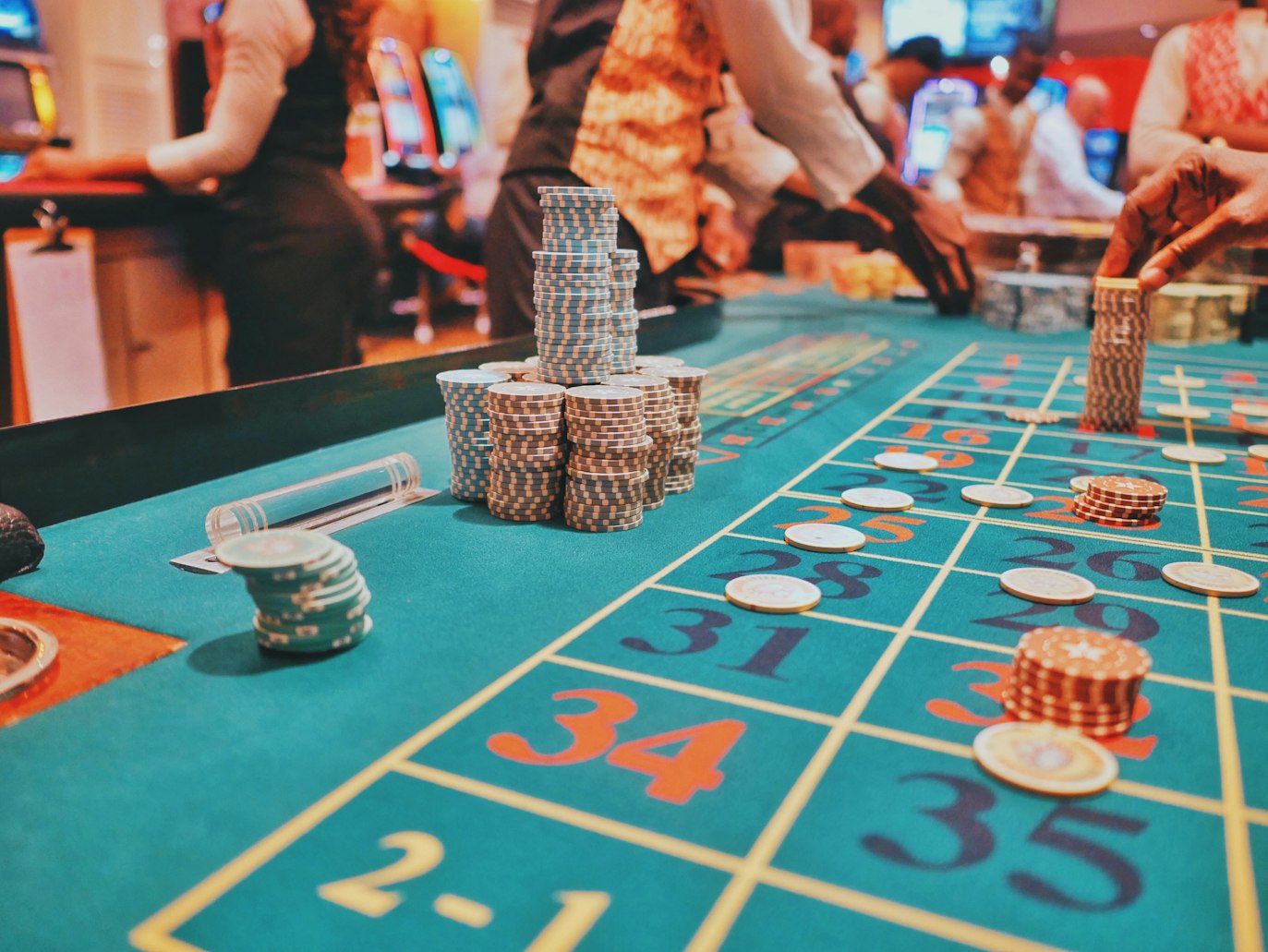
Азартные игры часто служат способом социального взаимодействия. Они могут объединять людей, создавая атмосферу соперничества и азарта. Игроки могут чувствовать себя частью сообщества, что усиливает их привязанность к играм. Тем не менее, такая социальная среда также может способствовать развитию зависимости от азартных игр.
Коммуникация между игроками, обсуждение стратегий и обмен опытом могут привести к повышению интереса и увеличению числа ставок. Это, в свою очередь, влияет на восприятие риска и готовность игрока принимать решение о ставках. Находясь в компании единомышленников, люди чаще поддаются азарту и рискуют больше, чем они бы сделали в одиночку.
Стратегии управления риском в азартных играх
Важным аспектом успешной игры является умение управлять риском. Игроки, которые осознают свои ограничения и применяют стратегии контроля, имеют больший шанс избежать серьёзных потерь. Например, использование бюджетирования, установка лимитов на ставки и понимание механики игр могут помочь сохранить азарт в разумных пределах.
Некоторые игроки используют стратегии, основанные на математических расчетах и шансах, что позволяет им принимать более взвешенные решения. Однако важно помнить, что даже самые эффективные стратегии не могут полностью устранить элемент риска, присущий азартным играм. Понимание этого аспекта помогает игрокам оставаться в рамках и избегать чрезмерного увлечения.

Информация о сайте
Сайт «Запрещенное место» предоставляет актуальную информацию о доступности азартных игр и правилах, регулирующих их использование. Его главная цель — обеспечить безопасность пользователей и соблюдать местные законы. Важно помнить, что азартные игры могут иметь разные последствия в зависимости от региона, и соблюдение норм законодательства является приоритетом для всех игроков.
Пользователи могут узнать о том, какие ресурсы доступны, а также получить советы по безопасному подходу к азартным играм. Понимание рисков и возможностей, связанных с азартными играми, позволяет игрокам делать более осознанные выборы и избегать нежелательных последствий.